History of Rock
Psychedelic Rock and Counterculture
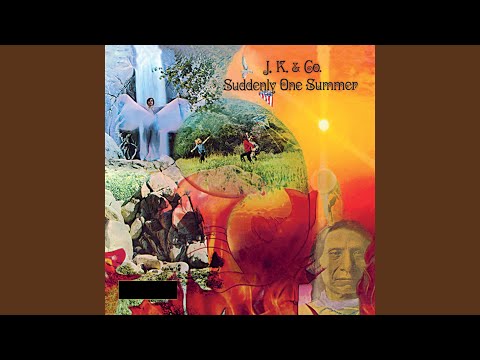
J.K. & Co – Fly (1968)
Psychedelia – 1966–1969
- The Beatles' Sgt. Pepper's pushed the idea of the album as a whole being an art form. Specifically concept albums
- Explorations in recording technology and the development of new electronic instruments started to inform a new sound
- Underground artists finding more success in regional circles like London and San Francisco
Psychedelia – 1966–1969
- Late 1960s seeing a rising distrust and questioning of American institutions
- Escalation of the Vietnam War and draft
- Drug use, especially marijuana and LSD, on the rise and informing the youth's views
- Ken Kesey, Timothy Leary, Aldous Huxley promoting the ideas of LSD
Psychedelia – 1966–1969
- LSD was developed accidentally by Albert Hoffman in 1943 while looking for a cure for migraines
- Tested by the CIA as a truth serum
- Increasingly used by young people in the US and UK starting in the 1960s
- Instilled a larger questioning of society and institutions and promoting "higher consciousness"
- With this, the music started to change!
Psychedelia – 1966–1969
- The Beatles visiting India in 1968 and meeting Maharishi Mahesh Yogi (Transcendental Meditation)
- Blending of genres, styles, and practices with art, radical and utopian politics, and the avant-garde
Psychedelia – 1966–1969
- The Beatles and Beach Boys begin laying the groundwork for psychedelia in the mainstream
- Lyrically more serious, broader instrumentation, more recording studio exploration, and richer harmonic language
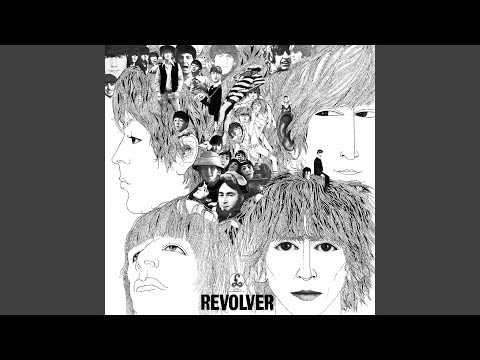
- The Beatles' Tomorrow Never Knows from Revolver looked at as an example of psych in the mainstream
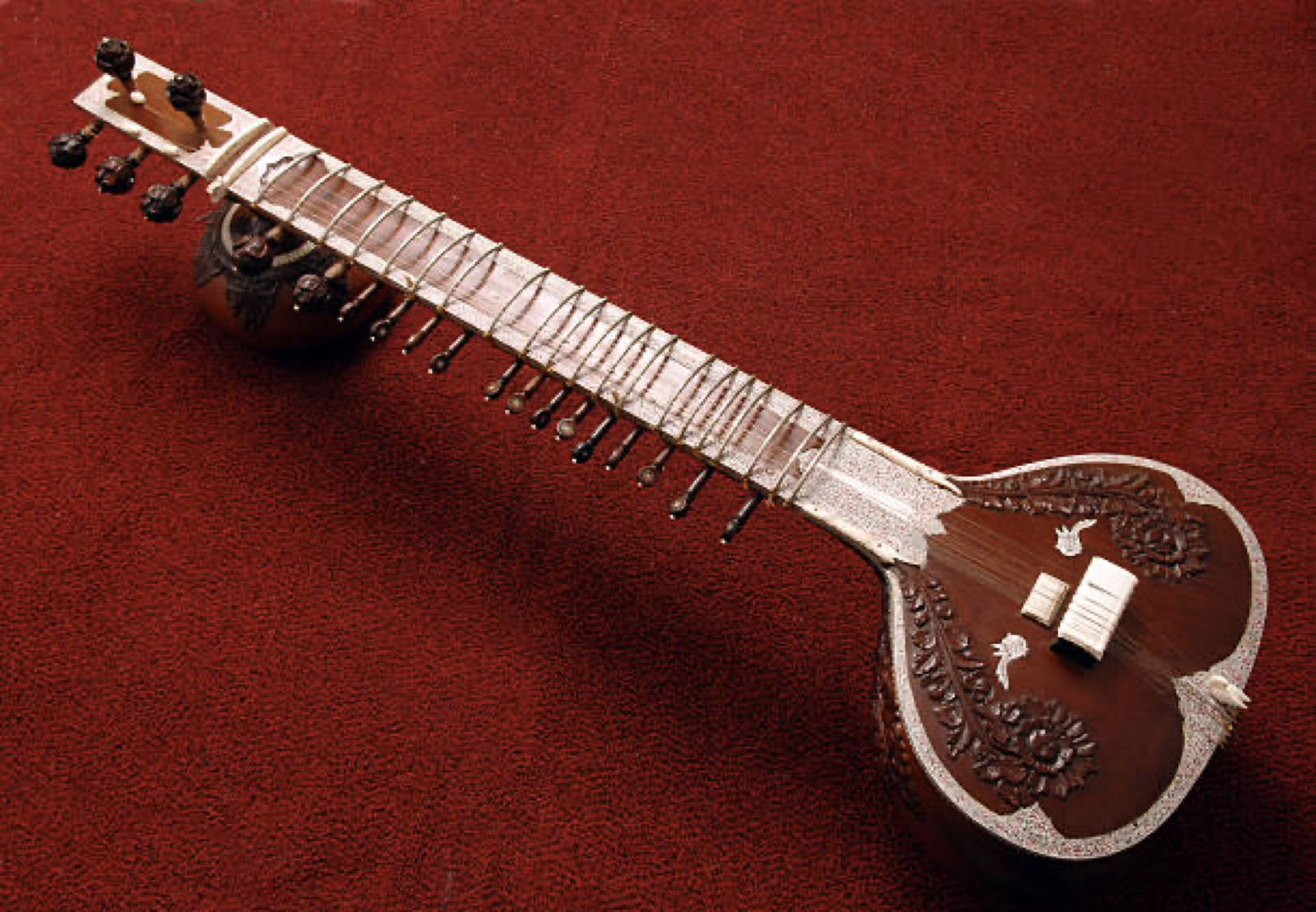
- Sitar, synthesizers, heavy effects processing, percussion, extra recorded samples (birds, etc.)
- Lyrics about existence, being, "the void"
The Sitar
The Beatles – Tomorrow Never Knows (1966)
Psychedelia – 1966–1969
- The Beach Boys "respond" with Good Vibrations
- Consumed more studio time than any pop single ever had up until this point
- Starts as a standard Beach Boys and then goes on to a wide range of musical styles and feels
- Wilson called it his "pocket symphony"
- Wide range of instruments
- Lyrically "Good Vibrations" has double meanings, with a girl he sees and dropping acid (LSD)
The Beach Boys – Good Vibrations (1966)

The Beach Boys – Good Vibrations (1966)
Listening Guide
The Beach Boys, "Good Vibrations" Capitol 5676
Words and music by Brian Wilson and Mike Love, produced by Brian Wilson. Reached #1 on the Billboard "Hot 100" chart in late 1966.
FORM: The first half of the song uses contrasting verse-chorus form, which breaks off after the second statement of the chorus (1:41). At that point, a series of three sections begin, the last of which uses music from the chorus to help round the song off as it fades out. Taken as a whole, the song does not fit neatly into any conventional pop formal pattern, except in the most general sense that contrasting material often follows the second statement of the chorus.
TIME SIGNATURE: 4/4.
INSTRUMENTATION: Organ, guitar, bass, drums, woodwinds, cellos, slide theremin, bass harmonica, Jew's harp, tambourine, sleigh bells, maracas, lead and backing vocals.
| Timings | Section | Description |
|---|---|---|
| 0:00–0:25 | Verse 1, 16 mm. (8-mm. phrase with repeat) | Lead vocals enter immediately, note repeated chords in the organ, orchestral-style drumming, and subtle use of woodwinds in second 8 mm. "I love the colorful clothes . . ." |
| 0:25–0:50 | Chorus, 16 mm. (four 4-mm. phrases) | Multipart vocals in counterpoint, note entrance of cellos low in the texture and there min melody on the top. "I'm pickin' up . . ." |
| 0:50–1:15 | Verse 2, 16 mm. | As before. Note that verse is quieter than chorus—this dynamic contrast can be heard clearly in this shift back to the verse. "Changed my mind . . ." |
| 1:15–1:41 | Chorus, 16 mm. | As before, end leads into section 1. "I'm pickin' up . . ." |
| 1:41–2:13 | Section 1, 20 mm. | New music. Piano, bass harmonica, sleigh bells, Jew's harp enter, "Excitations . . ." Listen for tape splice to section 2. |
| 2:13–2:57 | Section 2, 24 mm. | More new music, quieter now, starting with organ and ending with vocal "ah." Listen again for tape splice into section 3. "Gotta keep . . ." |
| 2:57–3:35 | Section 3, 22 mm. | Based on chorus, with new vocal counterpoint. Starts louder, gets quieter and then louder again before fade-out. "I'm pickin' up . . ." |
Psychedelia – 1966–1969
- San Francisco becomes an epicenter of psychedelic rock and experimental drug use
- Ken Kesey's "Merry Band of Pranksters" based in La Honda, CA
- Grateful Dead (from The Warlocks), Big Brother and the Holding Company, Quicksilver Messenger Service, Country Joe and the Fish, Jefferson Airplane, and many more...
- Heavy crossover with beat poetry, jazz and free jazz, avant-garde, and experimental instrument builders
Psychedelia – 1966–1969
- Ken Kesey's "Acid Tests" were a series of concerts, performances, and parties where the public was welcomed to dose on LSD in 1965/66
- LSD not yet illegal until 1966
- Happening all throughout California
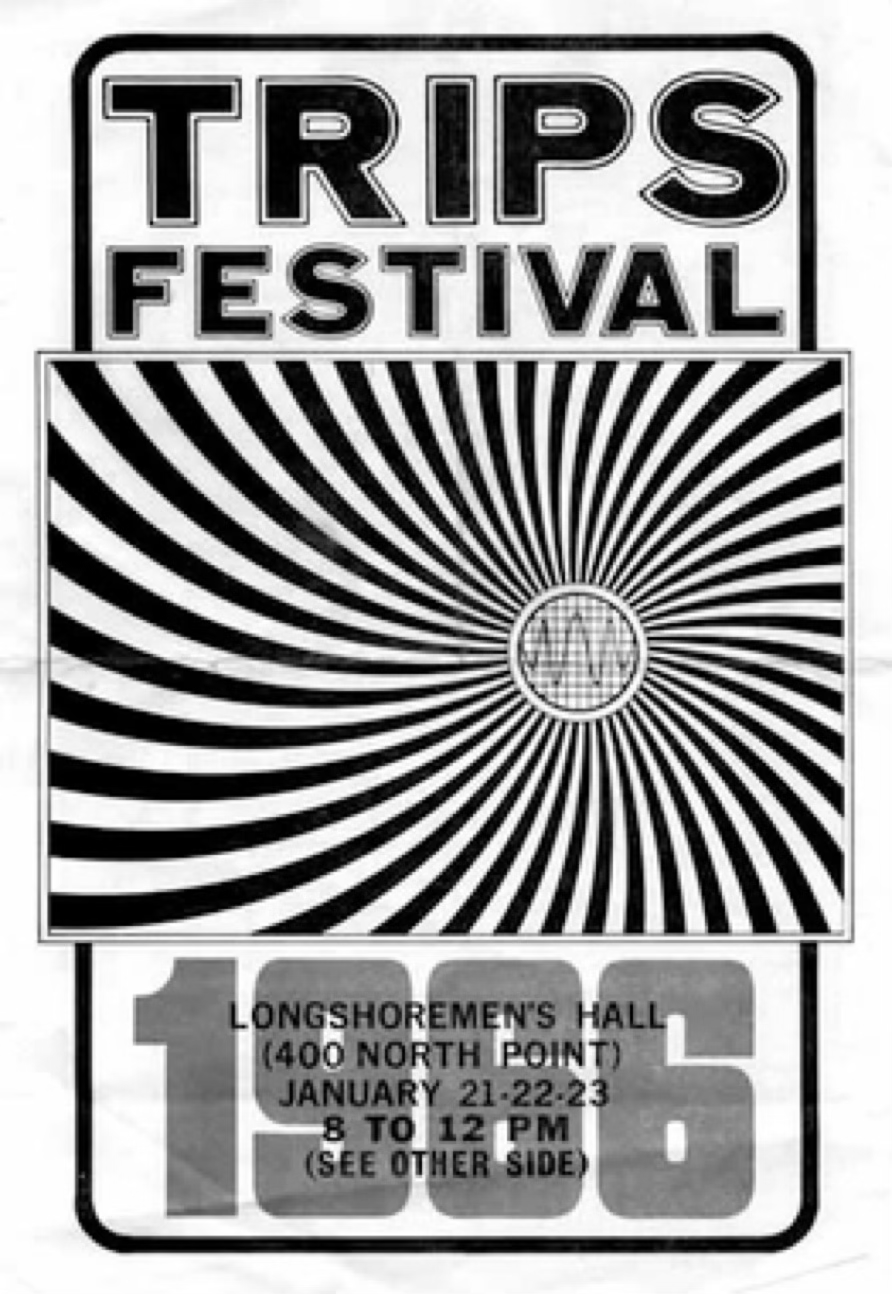
- Trips Festival in January 1966
- Organized by Kesey and Ramon Sender (SF Tape Music Center)
- Audio and multimedia showcases, lights, theatre, and psych rock
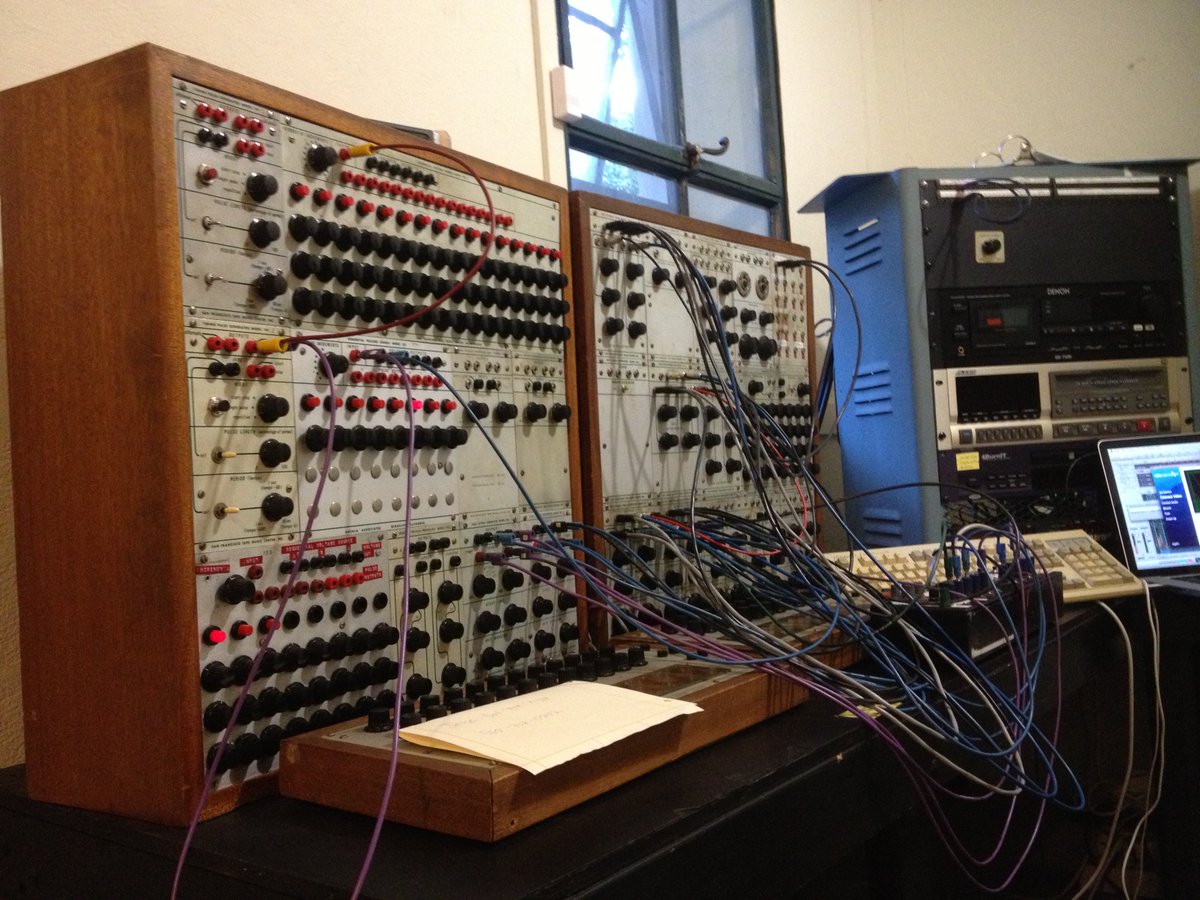
Trips Festival – 1966
Buchla 100 Synthesizer
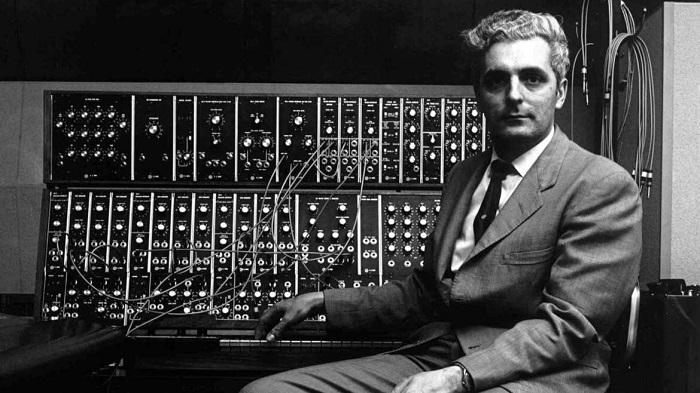
Moog Synthesizer
Psychedelia – 1966–1969
- Ken Kesey interviews; 1966
Psychedelia – 1966–1969
- KPIX-TV short doc by Michael McClure (poet; co-wrote Joplin's Mercedes Benz)
Psychedelia – 1966–1969
- A lot of bands associated with San Francisco and psych rock rooted in blues, soul, and American roots music
- The counterculture and environment affecting how far they pushed these genres
- Big Brother & The Holding Company
- Jefferson Airplane
- Grateful Dead
Psychedelia – 1966–1969
- Big Brother & The Holding Company
- First show at the Trips Festival, originally without Janis Joplin... instrumental/experimental rock
- Joplin went on to have a short lived, but very storied career before a heroin overdose in 1970
- Bill Graham
- Famed concert promoter
- Winterland Ballroom
- The Fillmore
BB & The Holding Co. – Piece of My Heart (1968)

Psychedelia – 1966–1969
- Jefferson Airplane
- Forms in 1965 shortly before the Grateful Dead
- Grace Slick joins band as lead singer for 2nd album Surrealistic Pillow
- White Rabbit becomes Top 10 hit in 1967
- Lyrics centered on allusions of drugs, literature, and countercultural elements
Jefferson Airplane – White Rabbit (1967)

Jefferson Airplane – White Rabbit (1967)
Listening Guide
Jefferson Airplane, "White Rabbit" RCA Victor 47-9248
Words and music by Grace Slick, produced by Rick Jarrard. Reached #8 on the Billboard "Hot 100" chart in the summer of 1967.
FORM: AABA form, with the last verse expanded to create a musical climax. The entire piece builds gradually, beginning quietly and ending loudly.
TIME SIGNATURE: 4/4, with the drums suggesting a Spanish flavor in imitation of a bolero rhythm.
INSTRUMENTATION: Electric guitars, bass, drums, lead vocals.
| Timings | Section | Description |
|---|---|---|
| 0:00–0:28 | Introduction, 12 mm. | Bass guitar and snare drum suggest "bolero" rhythm, as the guitar enters with winding lines that evoke Spanish music. |
| 0:28–0:55 | A-Verse, 12 mm. | Vocals enter quietly, with only bass, guitar, and snare drum accompaniment. "One pill makes you . . ." |
| 0:55–1:23 | A-Verse, 12 mm. | Just a little louder and more forceful, "And if you go . . ." |
| 1:23–1:42 | B-Bridge, 8 mm. | Second guitar now enters, drums go into a more traditional rock beat, and the music gains intensity, getting markedly louder. "When men on . . ." |
| 1:42–2:27 | A-Verse (expanded), 21 mm. | Vocal now much more forceful, as rhythm in the accompaniment gets much more insistent, driving toward the climax at the end. "Go ask Alice . . ." |
Psychedelia – 1966–1969
- Grateful Dead
- A centerpiece in the San Francisco psych scene
- Heavily rooted in blues, bluegrass, country, avant-garde, jazz, and folk music
- Jerry Garcia, Ron "Pigpen" McKernan, Bob Weir, Bill Kreutzmann, Mickey Hart, and Phil Lesh
- Two drummers
- Involved in Acid Tests and Trips Festival
Psychedelia – 1966–1969
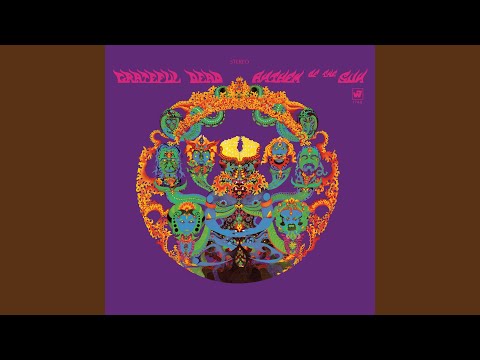
- Grateful Dead
- Heavy on improvisation and live sets that were often difficult to replicate on record
- Anthem of the Sun – 2nd record heavily inspired by The Beatles' Tomorrow Never Knows... Live tape loops, heavy effects processing, etc.
- Foundational "jam band"
- Long career driven by DIY aesthetic, bootlegging live sets, and connection with fans
- Notable for fans trading sets of live recordings, creating a deep culture and lore about the band
Grateful Dead – It Hurts Me Too (Live – 1967)
Psychedelia – 1966–1969
- London
- The other hotbed of psychedelic rock
- Similarities to, but distinctly different from, what was happening in San Francisco
- London perceived as very glamorous and fashionable, but seeing a growth of underground organizations and music such as that at the UFO Club
- Similar in that the avant-garde was very present and marijuana and LSD use was widespread
Psychedelia – 1966–1969
- London scene sees bands with great commercial success or being very underground
- Pink Floyd, Soft Machine, and Tomorrow
- Musically speaking, London sound more whimsical and fantastical, opposed to the harder rock of California
- More "psychedelic"
- Heavier use of studio techniques, experimentation, and conceptual work
Psychedelia – 1966–1969
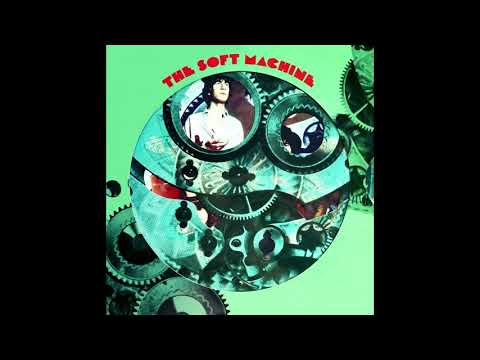
- Soft Machine
- Mike Ratledge, Robert Wyatt, Kevin Ayers, Daevid Allen, Larry Nowlin
- Longer tracks that didn't do well in more mainstream venues
- Industry difficulties causing some music to never be released until much later
- Central to the Canterbury scene that began ushering in progressive rock
- Became a mainstay in progressive rock through the 1970s
The Soft Machine – Save Yourself (1968)
Psychedelia – 1966–1969
- Tomorrow
- Keith West, Steve Howe, John "Junior" Wood, John "Twink" Alder
- Never achieved great critical success
- Steve Howe would later become guitarist of the band Yes
- Only recorded one S/T album in 1968
Tomorrow – My White Bicycle (1967)

Psychedelia – 1966–1969
- Pink Floyd
- Syd Barrett, Nick Mason, Roger Waters, Richard Wright
- Pink Floyd's debut Piper at the Gates of Dawn recorded at Abbey Road during the same time as Sgt. Pepper's...
- Barrett's deteriorating mental health causes him to depart, replaced by David Gilmour
- Become a mainstay in progressive rock and longer musical forms
Pink Floyd – See Emily Play (1967)

Psychedelia – 1966–1969
- Other notable acts; psych with more rock and folk elements...
- Jimi Hendrix – considered one of the greatest guitar players of all time
- Donovan – whimsical folk musician
- Buffalo Springfield – California sound
- The Doors – dark side of rock and psych
Jimi Hendrix – Purple Haze (1967)

Psychedelia – 1966–1969
- The Band
- Rick Danko, Garth Hudson, Richard Manuel, Robbie Robertson, and Levon Helm
- Bob Dylan's backing band in 1966
- Huge influence on several notable artists for their blend of American roots music
- "Country soul"
- Martin Scorsese's The Last Waltz captures the group's last performance at the Winterland Ballroom on Thanksgiving Day 1976
- Levon Helm Studios in Woodstock, NY
The Band – The Weight (1968)

Psychedelia – 1966–1969
- Woodstock Music and Art Fair
- August 15–18, 1969 in Bethel, NY
- Peak musical event of the 1960s counterculture
- A growing popularity of festival culture alongside Monterey Pop, Isle of Wight, and others, still going today
- Woodstock '94 saw more recent acts mixed with original 1969 acts as a 25th anniversary celebration
- Woodstock '99 was an unmitigated disaster