History of Rock
Delta and Chicago Blues
Orders of Biz
- Reading: Chapter 3
- Quiz/Essay 1 on MONDAY 9/14!
- In person!
- We will hold time on Friday for study/review
Chicago Blues – 1940s–1950s
- Born from Delta Blues – similar structures and style
- Amplification, full bands
- Instrumentation grows from acoustic guitar to electric, drums, keys, heavier sound
- Storytelling and experience still central, with a change in setting (urban vs. rural)
- Swing – blues and jazz similarities
Chicago Blues – 1940s–1950s
- Rural to urban – "Industrial music for an industrial city"
- Muddy Waters, Howlin' Wolf, Buddy Guy
- Direct influence on rock and roll – from the origins to British Invasion to present day
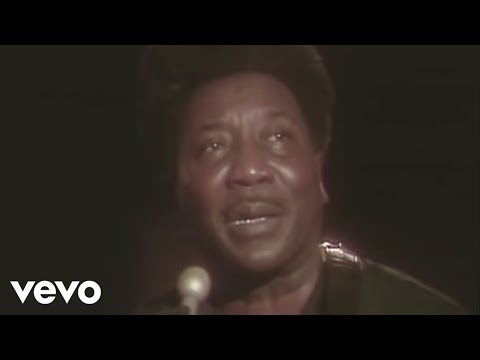
Muddy Waters – Hoochie Coochie Man (1954)
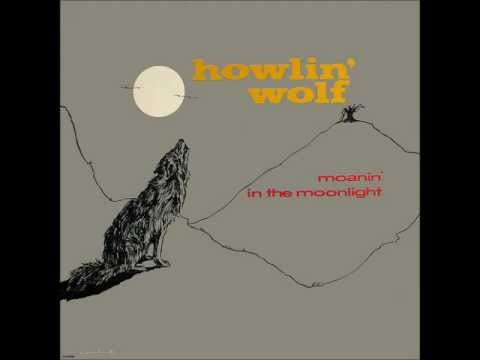
Howlin' Wolf
- Born in White Station, MS in 1910
- Protégé of Charley Patton; noted in the Delta Blues scene
- Recruited by A&R Ike Turner to record at Sun Records in Memphis, which led to eventual releases on Chess Records
Howlin' Wolf – Smokestack Lightnin' (1959)
Howlin' Wolf
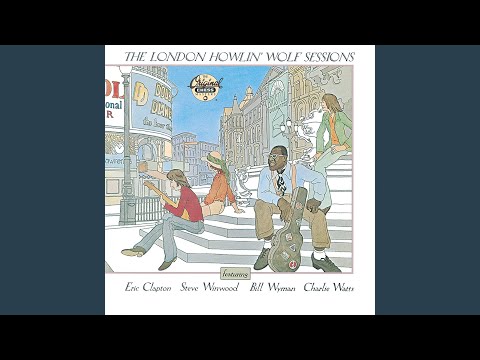
- Chicago Blues had a huge influence on the later British Invasion
- Some Chicago artists teamed up with bigger rock stars – Howlin' Wolf: London Sessions (feat. Eric Clapton, Steve Winwood, Bill Wyman, Charlie Watts)
- John Lee Hooker with Canned Heat
Howlin' Wolf – London Sessions
Regional Radio – 1950s
- Radio, like all media, driven by reach, listener numbers, and advertisements
- National audience for pop music begins shifting to TV
- Stations like WDIA in Memphis began programming to Black audiences
- Informed not just music, but which businesses were welcoming and advertised
- Culture, music, and media
Labels – 1950s
- Sun Records in Memphis
- Rocket 88 w/ Ike Turner; Ike Turner's ties to Delta Blues
- Went on to release Elvis Presley, Roy Orbison, Johnny Cash, Jerry Lee Lewis, and more
- Chess Records in Chicago
- Brought the sound of Chicago Blues
- Etta James, Howlin' Wolf, Muddy Waters
Labels – 1950s
- King Records in Cincinnati
- Specialized in country ("hillbilly") music; subsidiary labels specializing in R&B
- Country artists covering R&B songs and vice versa
- Crossover led to wider exposure and the origins of "rockabilly" music
- Atlantic Records in New York
- Ruth Brown, Big Joe Turner, Ray Charles
- Blend of blues and big band pop
Wanda Jackson – I Gotta Know (1956)

Rhythm and Blues – 1920s
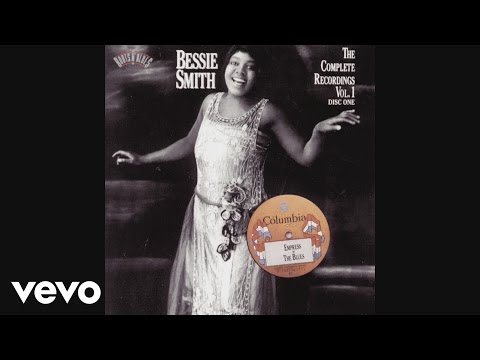
- Bessie Smith (1895–1937) – "Empress of the Blues"
- One of the first African American stars
- Helped establish "race records" – 78s marketed towards African Americans
- Brought blues to Harlem
- Down Hearted Blues sold 750,000 copies in its first month
Bessie Smith – Down Hearted Blues (1923)
Rhythm and Blues – 1950s
- Influence of Gospel music
- Later seen as a "Dangerous Influence"
- Co-opting by white musicians – producing a "safer" result
- Big Joe Turner & Bill Haley – "Shake, Rattle, and Roll"
- The birth of rock and roll
Big Joe Turner – Shake, Rattle, and Roll (1954)
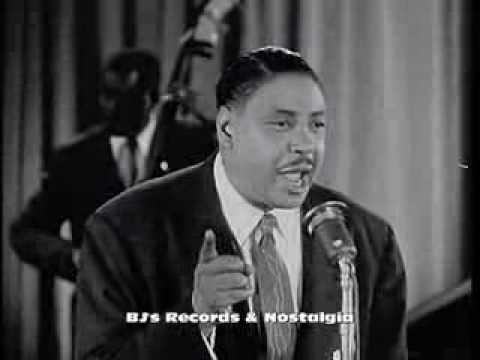
Bill Haley and His Comets – Shake, Rattle, and Roll (1954)
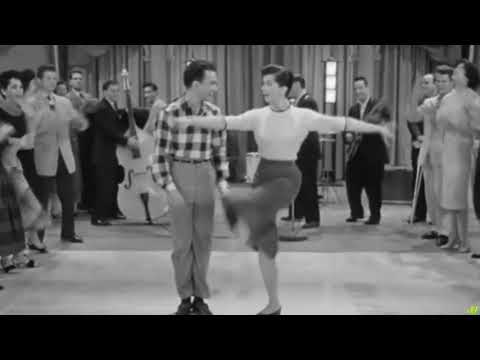
The Birth of Rock and Roll – 1950s
- Members of the Silent Generation reaching teen years in the 1950s
- Pop culture geared towards teenagers and young adults
- Previously, post-HS teens were expected to immediately enter adulthood
- Present in film, music, and theatre
- Media consumption as an act of rebellion
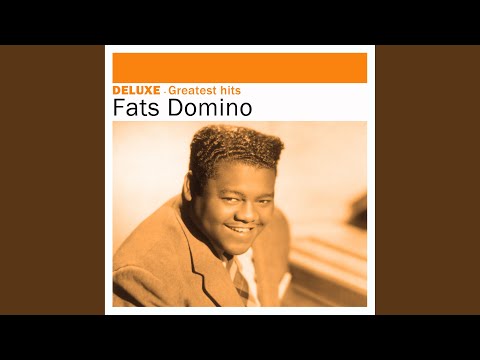
Fats Domino – Blueberry Hill (1956)
Listening Guide
Fats Domino, "Blueberry Hill" Imperial 5407
Words and music by Al Lewis, Larry Stock, and Vincent Rose, produced by Dave Bartholomew. Reached #1 on all three Billboard rhythm and blues charts (best sellers, jukeboxes, and radio) and #2 on the "Most Played in Jukeboxes" pop chart in 1956.
FORM: AABA form, with only the bridge and last verse repeated (BA).
TIME SIGNATURE: 12/8, with a characteristic easy, loping New Orleans feel. Each measure contains four beats, with each beat divided into three parts (compound). Note how the piano chords play these three parts of each beat, creating a rolling one & uh, two & uh, three & uh, four & uh rhythmic undercurrent.
INSTRUMENTATION: Piano, electric guitar, acoustic bass, drums, horns, and lead vocal.
| Timings | Section | Description |
|---|---|---|
| 0:00–0:12 | Introduction, 4 mm. | Piano featured as the New Orleans feel locks in. |
| 0:12–0:33 | A-Verse, 8 mm. | Vocal enters. Note the repeated chords high on the piano, and the rolling line in the bass and guitar below. Sustained horns support the vocal, "I found my thrill . . ." |
| 0:33–0:53 | A-Verse, 8 mm. | As before, "The moon stood still . . ." |
| 0:53–1:14 | B-Bridge, 8 mm. | New horn line enters to emphasize contrast, "The wind in the willow . . ." |
| 1:14–1:35 | A-Verse, 8 mm. | As before, "Though we're apart . . ." |
| 1:35–1:56 | B-Bridge, 8 mm. | Supporting horn line returns, "The wind in the willow . . ." |
| 1:56–2:18 | A-Verse, 8 mm. | As before, "Though we're apart . . ." |
Fats Domino - Blueberry Hill (1956)
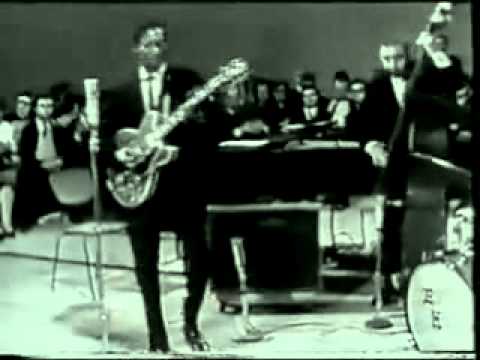
Chuck Berry – 1950s
- From St. Louis, MO
- Known for stylized guitar playing, charisma, and writing most of his own music
- Caught his break in his late 20s with "Maybellene" in 1955
- Established star by the end of the 1950s
- Completed the transformation of R&B into a whole new genre of rock and roll
Chuck Berry – Johnny B. Goode (1958)
Listening Guide
Chuck Berry, "Johnny B. Goode" Chess 1691
Words and music by Chuck Berry, produced by Leonard and Phil Chess. Reached #8 on the Billboard "Top 100" chart and #5 on both rhythm and blues charts (jukeboxes and best sellers) in 1958.
FORM: Simple verse-chorus.
TIME SIGNATURE: 4/4, with a tendency to blend in a shuffle.
INSTRUMENTATION: Electric guitars, piano, acoustic bass, drums, and lead vocal. Note how the drums tend to shuffle, while the guitar stays stubbornly in simple time.
| Timings | Section | Description |
|---|---|---|
| 0:00–0:17 | Introduction, 12 mm. | Famous guitar intro using double stops, with stop time in first 4 mm. and band entering in m. 5. |
| 0:17–0:34 | Verse 1, 12 mm. | Vocal enters; note the constantly changing piano fills in the background throughout the song, "Deep down in Louisiana . . ." |
| 0:34–0:51 | Chorus, 12 mm. | Vocal punctuated by characteristic Chuck Berry guitar bursts, "Go, Go Johnny . . ." |
| 0:51–1:08 | Verse 2, 12 mm. | As before, note Berry's vocal sound—does it sound country influenced? "He used to carry . . ." |
| 1:08–1:26 | Chorus, 12 mm. | As before. |
| 1:26–1:43 | Instrumental Verse, 12 mm. | Guitar solo, more double stops, full of rhythmic drive but technically simple. |
| 1:43–2:00 | Instrumental Verse, 12 mm. | Guitar solo continues. |
| 2:00–2:18 | Verse 3, 12 mm. | As before, "His mother told him . . ." |
| 2:18–2:38 | Chorus, 12 mm. | As before, driving to ending. |
Chuck Berry – Johnny B. Goode (1958)
Delta Blues – 1920s–1930s
- Traditional folk song – "In The Pines"
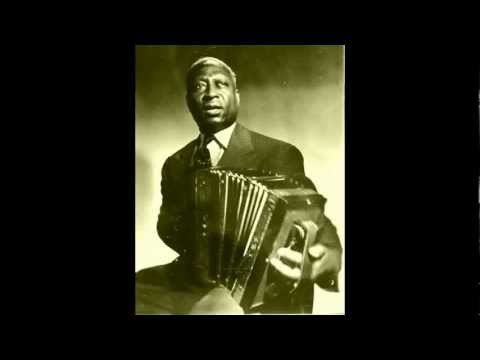
- Leadbelly
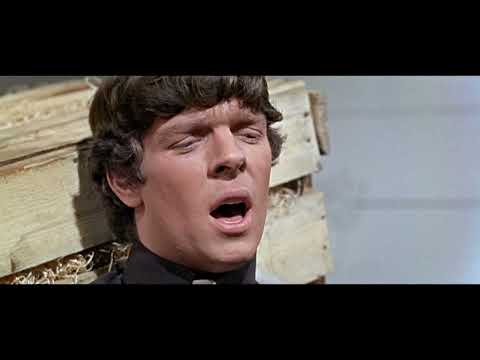
- British Invasion – Four Pennies
- Grunge – Nirvana
- Modern Day – Sleigh Bells
In the Pines – Traditional / "Dock" Walsh (1926)

In the Pines / Black Girl – Leadbelly (1944)
Black Girl – Four Pennies (1964)
Where Did You Sleep Last Night – Nirvana (1993)

Where Did You Sleep Last Night – Sleigh Bells (2019)