History of Rock
The World Before Rock and Roll
The World Before Rock and Roll
- Reading: Chapters 1 and 2
Big Bands and Singers – 1930s–1940s
- Popular music of the time included no vocals
- Big band singers most often seen as side performers and soloists
- Increasing interest in singer-forward music with rise of the songbook, Hollywood, musical theatre, and Tin Pan Alley's influence
- Bing Crosby and Frank Sinatra
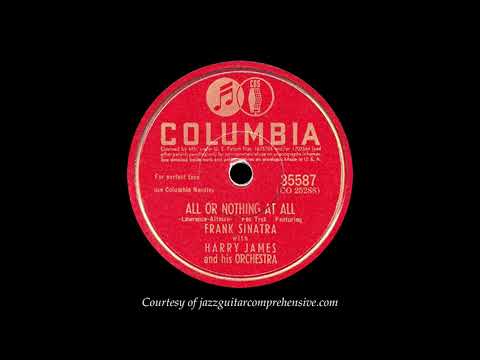
Frank Sinatra - All or Nothing at All (1939)
Les Paul
- Inventor of the solid-body electric guitar
- Greater amplification, less feedback
- Multitrack recording
- Also known as "overdubbing"
- Allowed for cleaner recordings, multiple parts, and effects like delay and chorus
- Built his own multitrack recorder
Les Paul
- First reel-to-reel tape recorder developed in 1935 Germany
- Bing Crosby invested in Ampex
- Company for tape machines and early recording technology
- Moved forward commercial devices in the US
Les Paul and Mary Ford – How High the Moon (1951)

Les Paul and Mary Ford
- Fast picking, quick slides and phrases
- Heavy lean towards counterpoint and harmony with layering on tape
- Style with maximize effects in mind
- Not so fun fact: Les Paul almost lost his right arm in a car crash; fused elbow at 90 degree angle to continue playing guitar
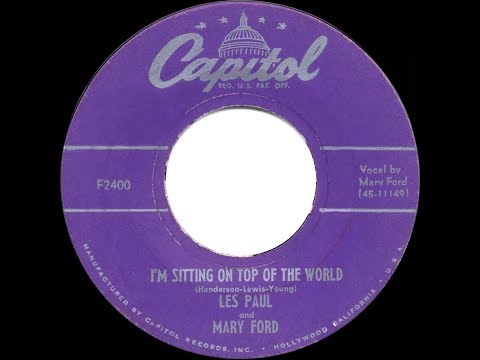
Les Paul and Mary Ford – "I'm Sittin' on Top of the World"
Listening Guide
Les Paul and Mary Ford, "I'm Sittin' on Top of the World" Capital F2400
Words and music by Sam Lewis, Joe Young, and Ray Henderson, produced by Les Paul. The song reached #10 on the Billboard "Most Played in Juke Boxes" chart in 1953 and had been featured in the 1946 film The Jolson Story.
FORM: AABA, with three presentations of the complete verse-verse-bridge-verse structure. The first and third presentations are sung, while the second features a guitar solo. The verses in the second presentation are adapted from the sung verses and do not match these earlier and later verses exactly. During the first two verses in the third presentation, the time signature changes from 2/4 time to 4/4 time, and while the tempo does not change, this creates the impression that the music slows down. The 2/4 time signature returns at the bridge and continues to the end. The change of key that occurs in the last verse helps drive the music toward a big ending.
TIME SIGNATURE: 2/4, with verse in 4/4 as indicated.
INSTRUMENTATION: Layered electric guitars and lead vocals. The highest and fastest guitar lines were recorded at half speed, creating a "chipmunk" sound.
| Timings | Section | Description |
|---|---|---|
| 0:00–0:09 | Introduction, 8 mm. | Layered guitar melody; note the echo effect on the guitar—this is the trademark Les Paul sound. |
| 0:09–0:17 | A-Verse, 8 mm. | Multitrack harmony vocals, all recorded by Mary Ford, with "chipmunk" guitar lines filling in the gaps, "I'm sittin' . . ." |
| 0:17–0:25 | A-Verse, 8 mm. | As before, "I'm quittin' . . ." |
| 0:25–0:34 | B-Bridge, 8 mm. | Harmony vocals continue, layered guitars create a nice descending cascade effect, "Hallelujah . . ." |
| 0:34–0:43 | A-Verse, 8 mm. | As before, "I'm sittin' . . ." |
| 0:43–0:51 | A-Instrumental Verse, 8 mm. | Guitar solo, music adapted from earlier verses. Les Paul's skill as a jazz soloist comes to the fore throughout this sectional verse. |
| 0:51–0:59 | A-Instrumental Verse, 8 mm. | Guitar solo continues. |
| 0:59–1:08 | B-Instrumental Bridge, 8 mm. | Guitar solo continues, high and fast "chipmunk" guitar lines created as described above. |
| 1:08–1:16 | A-Instrumental Verse, 8 mm. | Guitar solo continues. |
| 1:16–1:33 | A-Verse, 8 mm. | As before but now in 4/4 time, creating a sense that the music slows down. Note the addition of new backing vocals, "I'm sittin' . . ." |
Les Paul and Mary Ford – "I'm Sittin' on Top of the World" (1953)
Regional Styles – 1920s
- Country – south/southeast/Appalachia
- Strong roots in Irish music
- Carter Family
- Roy Acuff – Hawaiian slide guitar became central to country/western sound
- Jimmie Rodgers – yodel and singing style, influenced look along with sound
- Western – west/southwest/California
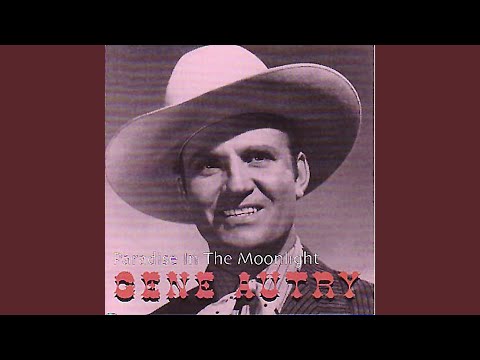
- Gene Autry, Roy Rogers and Hollywood
Jimmie Rodgers - Blue Yodel No 1 (T for Texas) (1928)
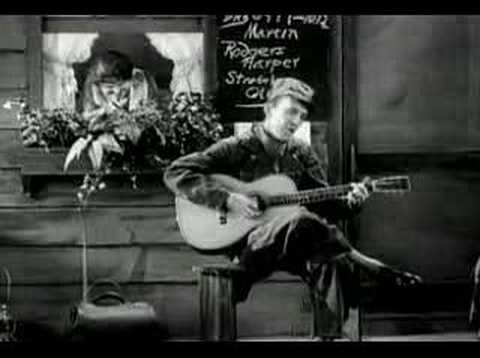
Gene Autry - Dust (1938)
Regional Styles – 1930s–1940s
- WSM Radio in Nashville – clear channel station
- Grand Ole Opry broadcast all through the south, all the way to Texas
- Nationally syndicated by NBC starting in 1939
- World War II
- Americans and southerners traveling abroad, introducing country music to the north and Europe
- Nashville becomes country/western HQ
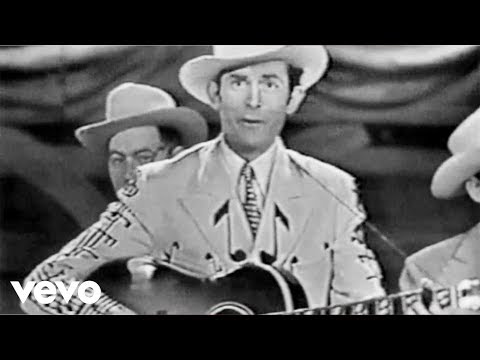
Hank Williams - Hey Good Lookin' (1951)
Preview: Delta and Chicago Blues; R&B; Urban Black Music
- Delta Blues
- Chicago Blues
- R&B, Gospel, Spirituals, and crossovers
- Influence over time
- The Birth of Rock and Roll
Blues Origins – 1920s
- Played by Black musicians for Black communities
- "Separate but not very equal"
- Different industry entirely
- No real mainstream success
- Segregated culture magnified this
- WC Handy – Memphis Blues and St. Louis Blues
- Bessie Smith
Delta Blues – 1920s–1930s
- Solo and raw
- Storytelling and experiences
- Acoustic guitar and harmonica
- Robert Johnson, Charley Patton, Son House, Skip James, Muddy Waters
- Great Mississippi Flood of 1927
- Displaced more than 200,000 African Americans
- Migration up north, along with the music
- The Great Flood by Bill Morrison
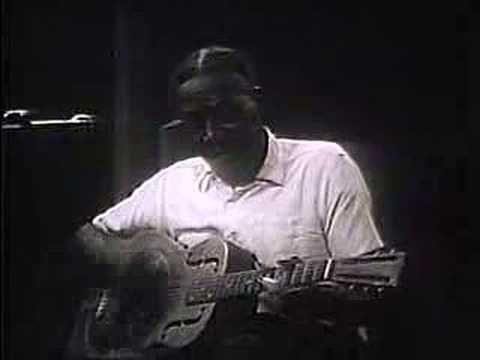
Son House - Death Letter Blues
Delta Blues – 1920s–1930s
- Traces back to Southern and Appalachian folk music
- Spirituals or Black Spirituals
- One generation removed from slavery
- Sharecroppers and oppression
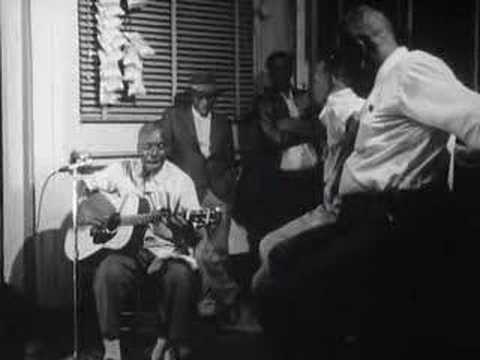
Skip James - Devil Got My Woman
Delta Blues – Influence Over Time: "Stop Breakin' Down"
- Robert Johnson (1937)
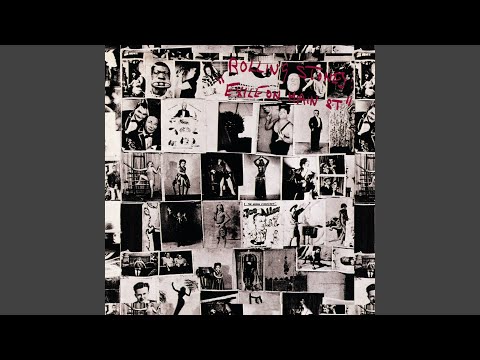
- British Invasion – Rolling Stones (1972, Exile on Main St.)
- Modern Day – White Stripes (1999)
Delta Blues – Robert Johnson (1937)

"Stop Breakin' Down" – Rolling Stones (1972)
"Stop Breakin' Down" – White Stripes (1999)